Introduction
When it comes to maintaining a lush, green lawn, most homeowners focus on mowing techniques or the choice of fertilizer. However, one of the most pivotal yet often overlooked factors is the pH level of the soil. Understanding pH levels in soil for optimal lawn fertilization can be a game-changer for your lawn care routine. This article delves deep into how pH levels affect lawn health and the role they play in effective lawn fertilization. Whether you’re a DIY enthusiast or considering http://tillerrpnu041.almoheet-travel.com/improve-your-soil-for-a-healthier-lawn-techniques-and-tips hiring a professional lawn care service, knowing about soil pH will give you an edge.
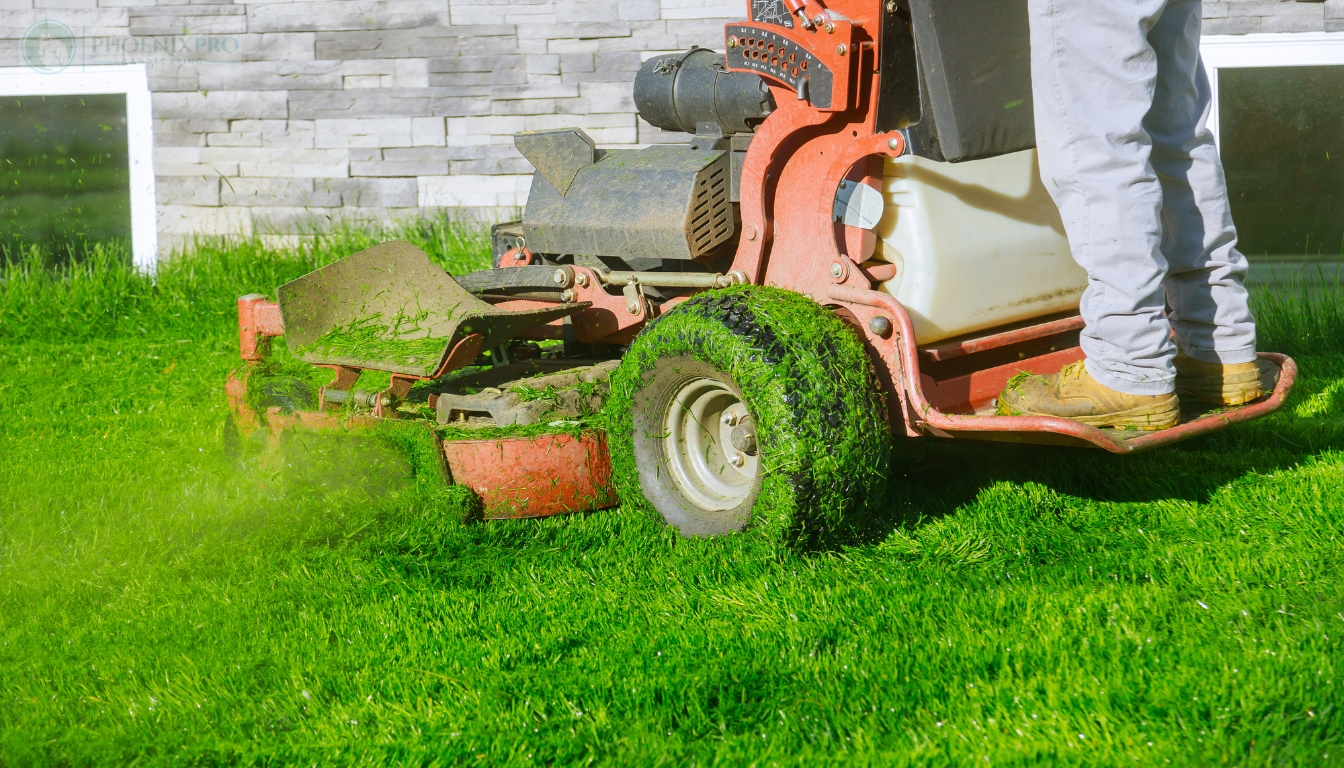
Understanding pH Levels in Soil for Optimal Lawn Fertilization
What is Soil pH?
Soil pH is a measure of how acidic or alkaline your soil is, typically ranging from 0 (highly acidic) to 14 (highly alkaline). A pH level of 7 indicates neutrality. Most grasses thrive in slightly acidic to neutral soils, with an ideal range being between 6.0 and 7.0.
Why is Soil pH Important for Lawn Care?
Soil pH influences nutrient availability, microbial activity, and overall plant health. If your soil is too acidic or alkaline, essential nutrients may become locked away, rendering them unavailable to your grass.
The Science Behind Soil pH
The chemistry of soil involves various compounds interacting with microorganisms. When understanding pH levels in soil for optimal lawn fertilization, it's crucial to comprehend that nutrient uptake by plants occurs at specific pH levels.
Table: Nutrient Availability at Different pH Levels
| Nutrient | Ideal pH Range | Availability | |----------------|----------------|--------------| | Nitrogen | 6.0 - 7.0 | High | | Phosphorus | 6.5 - 7.5 | Very High | | Potassium | 6.0 - 6.5 | Moderate | | Iron | 5.5 - 6.5 | High | | Calcium | 6.0 - 8.0 | High |
How to Measure Soil pH
You can measure soil pH using kits available at garden stores or by sending samples to local agricultural extensions. Here’s a quick guide:
Collect Samples: Gather soil from different parts of your lawn. Mix Thoroughly: Combine samples to get an average. Use a Test Kit: Follow instructions carefully. Interpret Results: Compare results against ideal ranges.Common Causes of Unfavorable Soil pH
Understanding why your soil’s pH might be off can help you make targeted adjustments:
- Excessive Rainfall: Leaches away basic cations. Fertilizer Use: Some fertilizers can acidify the soil over time. Organic Matter Decomposition: Natural decay processes can lead to increased acidity.
Adjusting Soil pH Levels
If you find that your lawn's soil has unfavorable acidity or alkalinity, there are steps you can take:
For Acidic Soils:
- Lime Application: Ground limestone works effectively to raise the pH level.
For Alkaline Soils:
- Sulfur Additions: Elemental sulfur can lower the soil's alkalinity when applied regularly.
Best Practices for Lawn Fertilization Based on Soil pH
Timing Your Fertilization
Understanding when to fertilize based on your grass type and its needs tied to the current pH level is critical for successful lawn care.
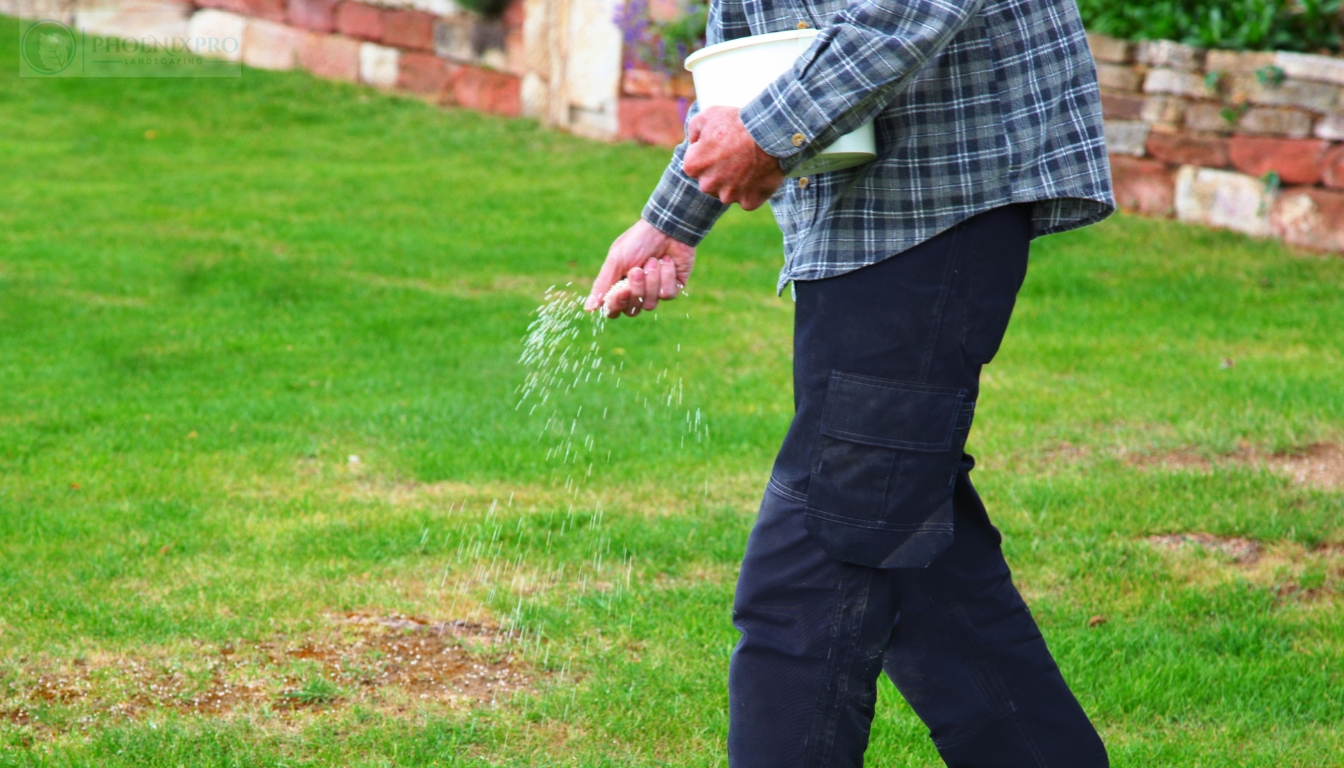
Early Spring vs Late Fall
Early spring applications are suitable for cool-season grasses but could lead to nutrient leaching if rain follows soon after application.
Choosing the Right Type of Fertilizer
Different fertilizers perform better depending on your current soil conditions:
- Slow-release fertilizers work well in varying conditions as they provide nutrients over time. If your grass struggles due to low nitrogen availability from high acidity, consider a balanced fertilizer with nitrogen.
Organic vs Synthetic Fertilizers
While synthetic options offer quick results, organic fertilizers improve long-term health and stability in soil structure and microbial life—important factors when managing soil’s acidity or alkalinity.
Lawn Cutting Techniques that Complement Fertilization
Importance of Mowing Height
Keeping your grass at an appropriate height helps maintain moisture and root strength:
- Taller grasses shade out weeds and reduce evaporation rates.
Frequency of Lawn Cutting
Cutting frequency should align with growth rates influenced by seasonal changes and recent fertilizations.
Mulching While Mowing
Using mulching mowers returns nutrients back into the lawn while maintaining optimal moisture levels—crucial after applying fertilizers tailored according to your understood soil's needs.
Lawn Care Services That Can Help
Local Lawn Care Professionals
Consider hiring local professionals who understand regional soils when you're overwhelmed by maintenance tasks or unsure about adjustments needed for optimum growth.
Customized Lawn Care Plans
Some services offer tailored plans focusing on seasonal changes that account for not just mowing but also understanding how those activities impact overall health based on existing soil conditions.
FAQ Section
What Is an Ideal Soil pH Level for Grass?
The ideal range is between 6.0 and 7.0, where most nutrients are readily available.
How Often Should I Test My Soil?
It's advisable to test every couple of years or before major planting seasons.
Can I Change My Soil's pH Quickly?
Changes typically take time; expect months rather than days for significant shifts after amendments are made.
Do Different Grasses Require Different Soil Conditions?
Yes! Cool-season grasses often prefer slightly more acidic soils compared to warm-season varieties which tolerate higher alkalinity better.
Can Over-Fertilizing Affect My Soil’s pH?
Absolutely! Excessive use of nitrogen-rich fertilizers can lead to increased acidity in soils over time.
Is It Necessary To Hire A Professional For Lawn Care Services?
It depends on personal preference; while some enjoy DIY methods others benefit significantly from expert advice—especially regarding complex issues like underlying soil problems affecting their lawns’ performance!
Conclusion
Understanding pH levels in soil for optimal lawn fertilization isn’t just a fancy gardening term; it’s foundational knowledge that can transform your lawn care experience from average to extraordinary! By taking control of this vital aspect through testing and adjusting accordingly—with some savvy cutting techniques thrown into the mix—you’ll ensure that each blade thrives under perfect conditions while keeping pests at bay without excessive use of chemicals all year round! With this knowledge under your belt, you'll be well-equipped not only to create but also maintain an enviable landscape that neighbors will admire! So roll up those sleeves; let’s get started on crafting that perfect patch!
Feel free to ask any questions if you'd like further clarification on any topic covered here!